3/10/2026
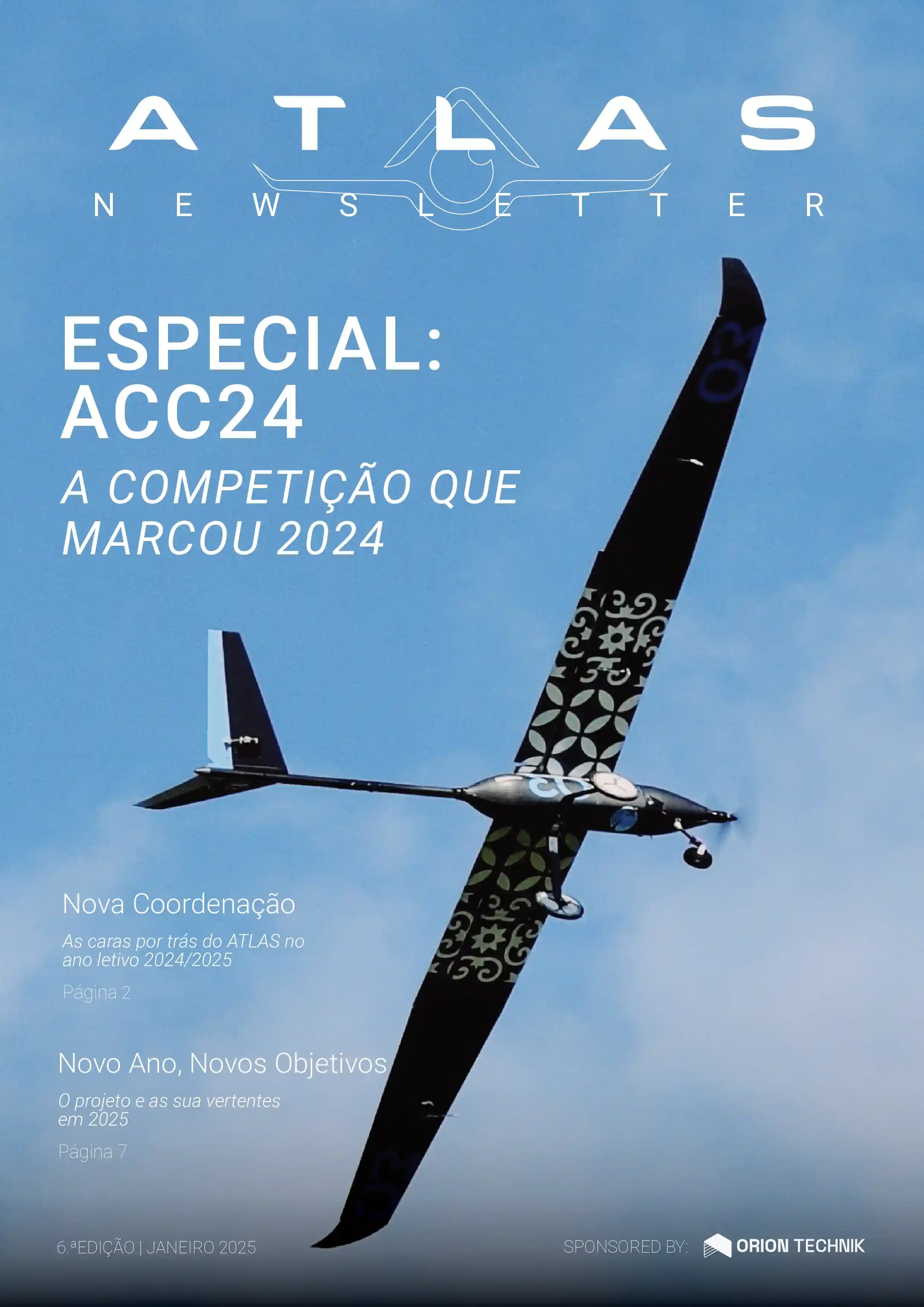
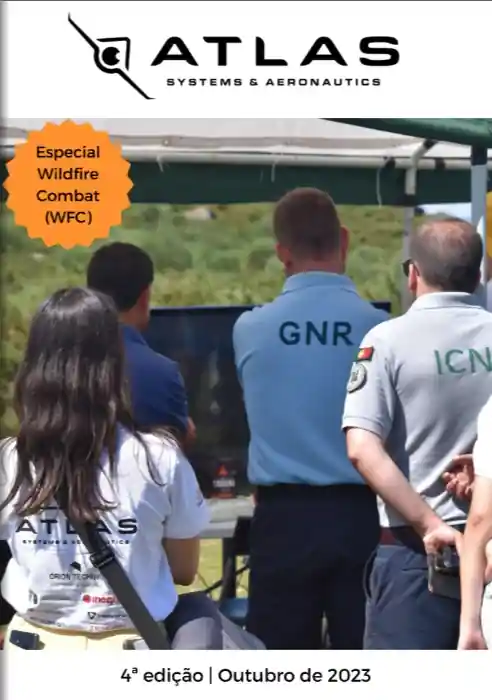
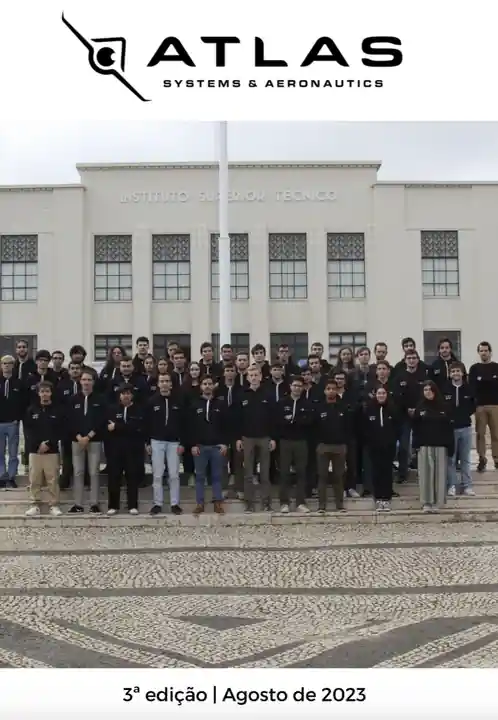
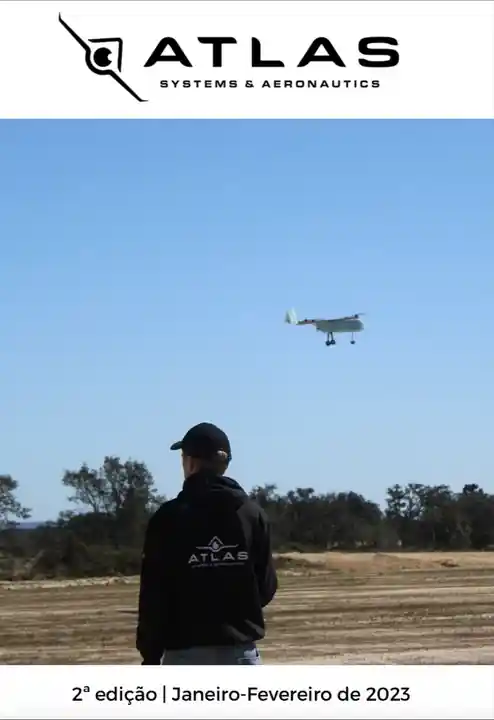
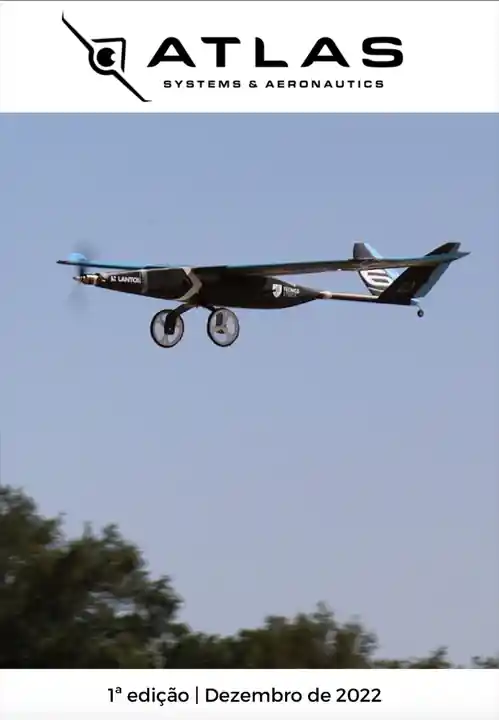
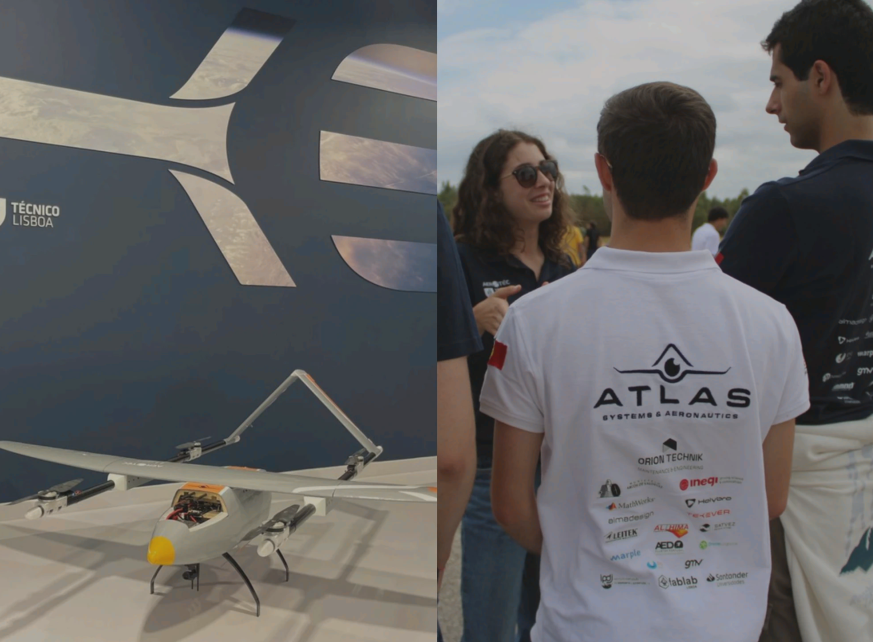
The only portuguese university team dedicated to the design, construction and operation of unmanned aerial vehicles (UAVs) with autonomous flight capabilities. With a constant commitment to the integration of Aircrafts and Avionics, the team’s work spans short-term missions - such as international aerospace engineering competitions like the Air Cargo Challenge (ACC) - as well as community-oriented initiatives, including Wildfire Combat (WFC), alongside long-term research and development (R&D) projects. A truly multidisciplinary team that brings theory to life.
Reaching the sky, breaking the limits!
Responsible for the global management and strategic coordination of the project, ensuring that the objectives, deadlines, and budget defined at the beginning of the year are consistently met.
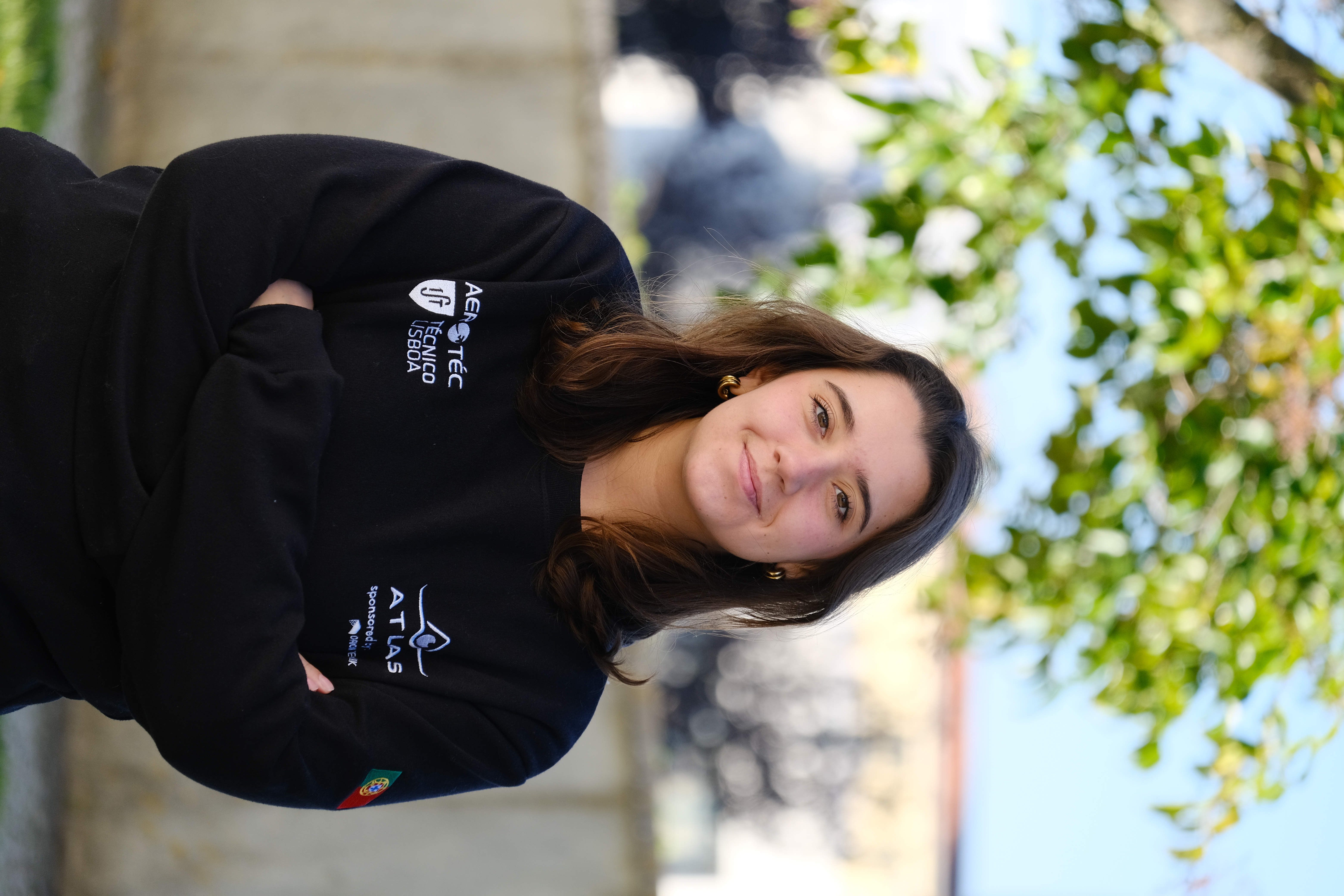
Team Leader
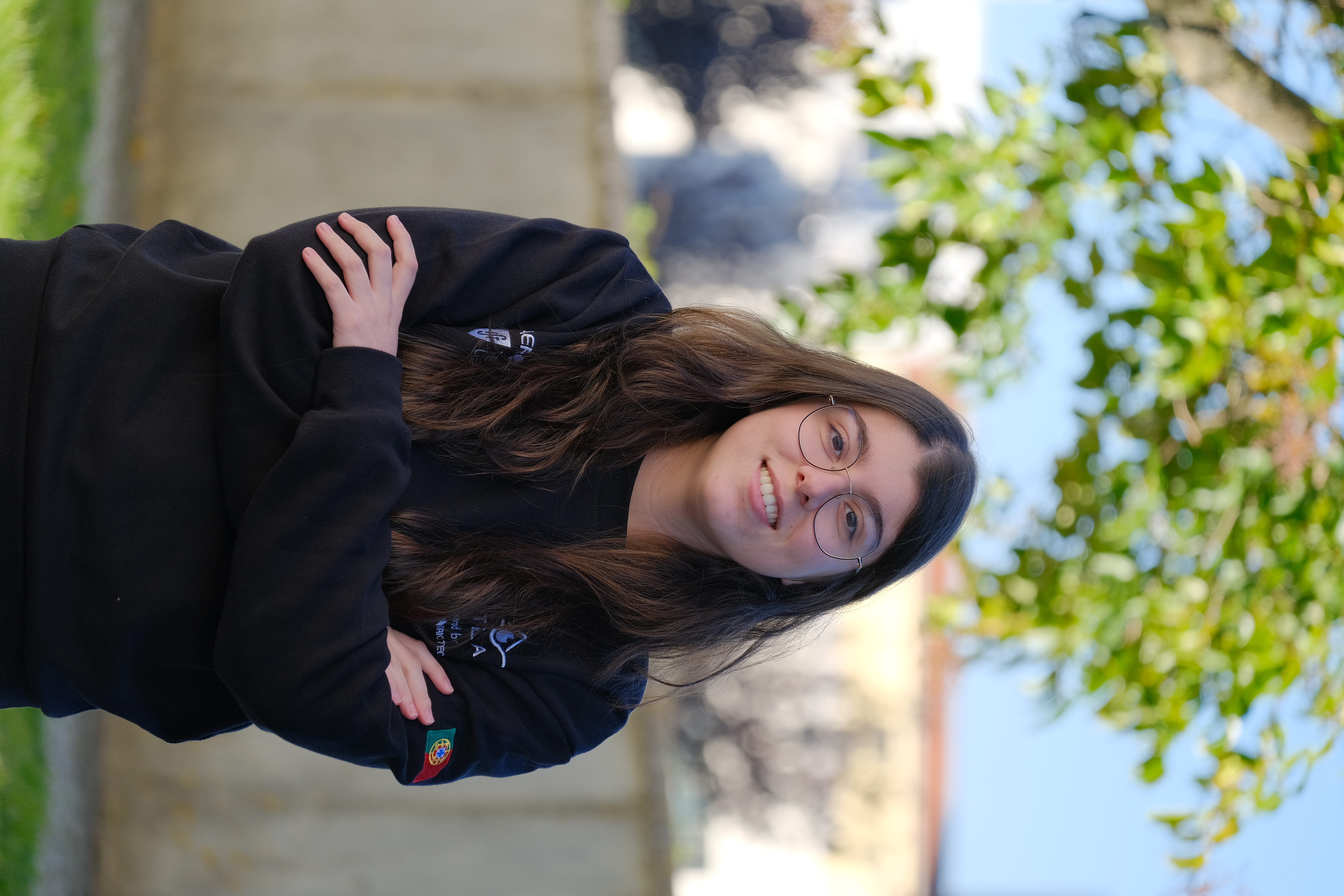
Technical Director
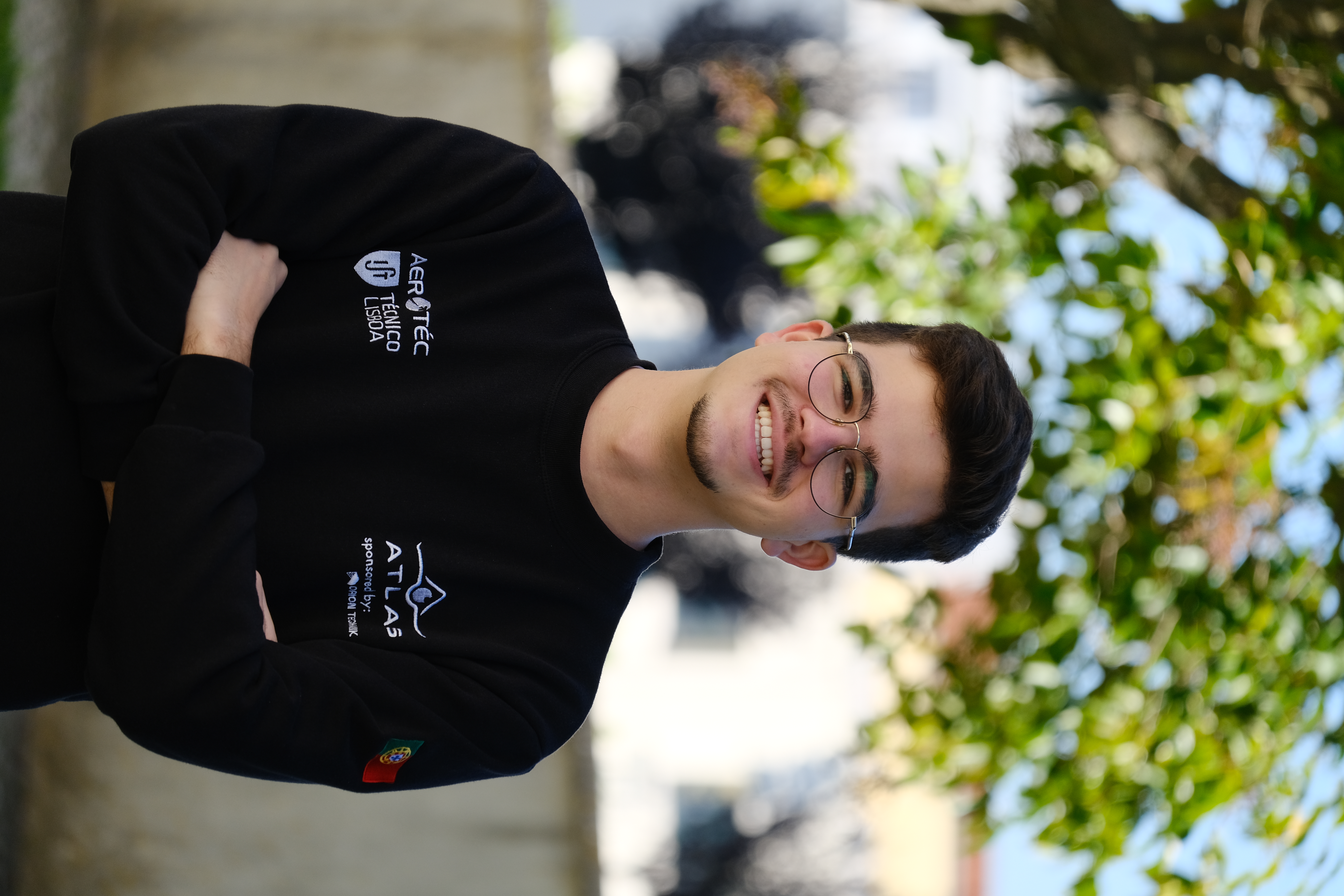
Aircrafts Coordinator
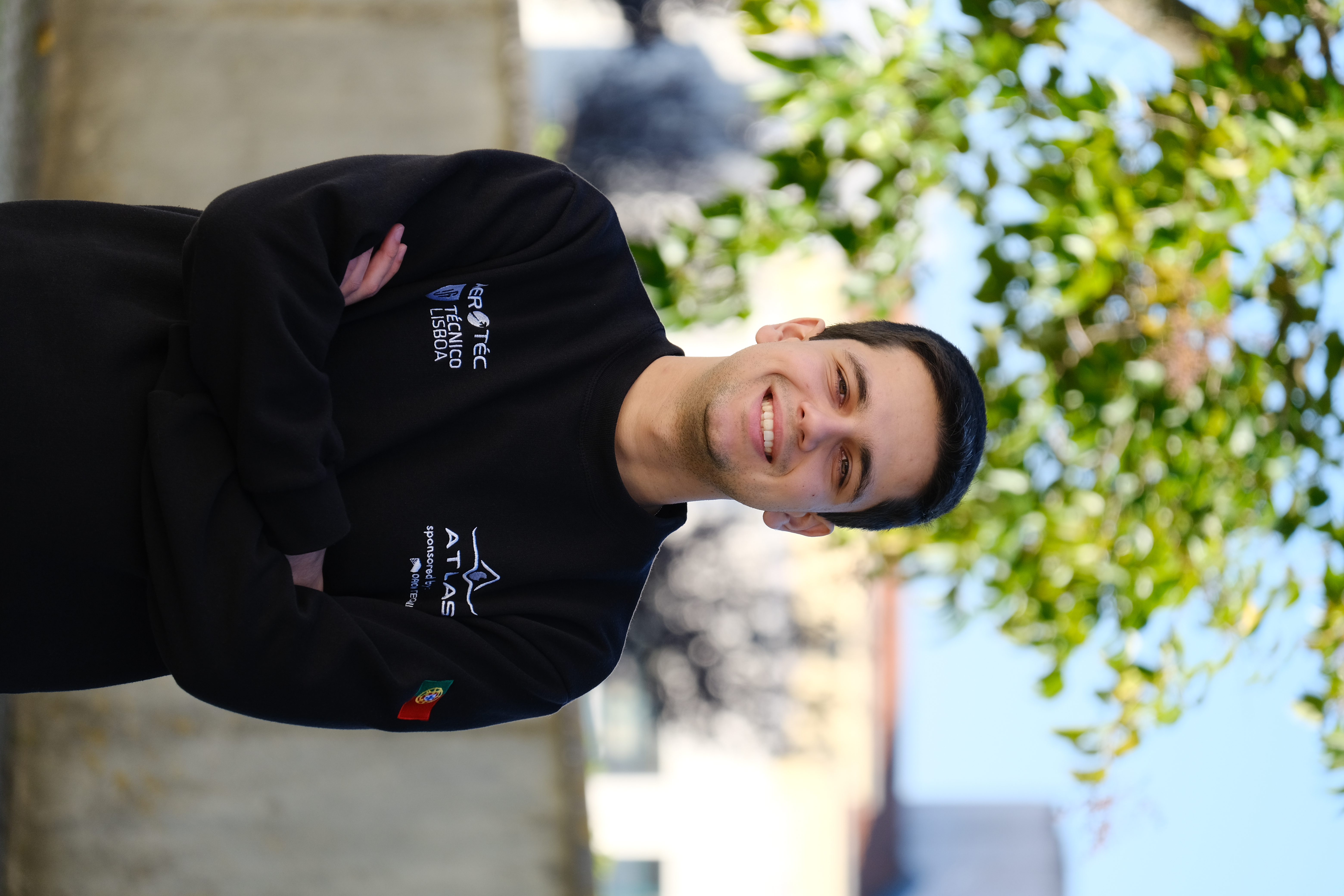
Avionics Coordinator
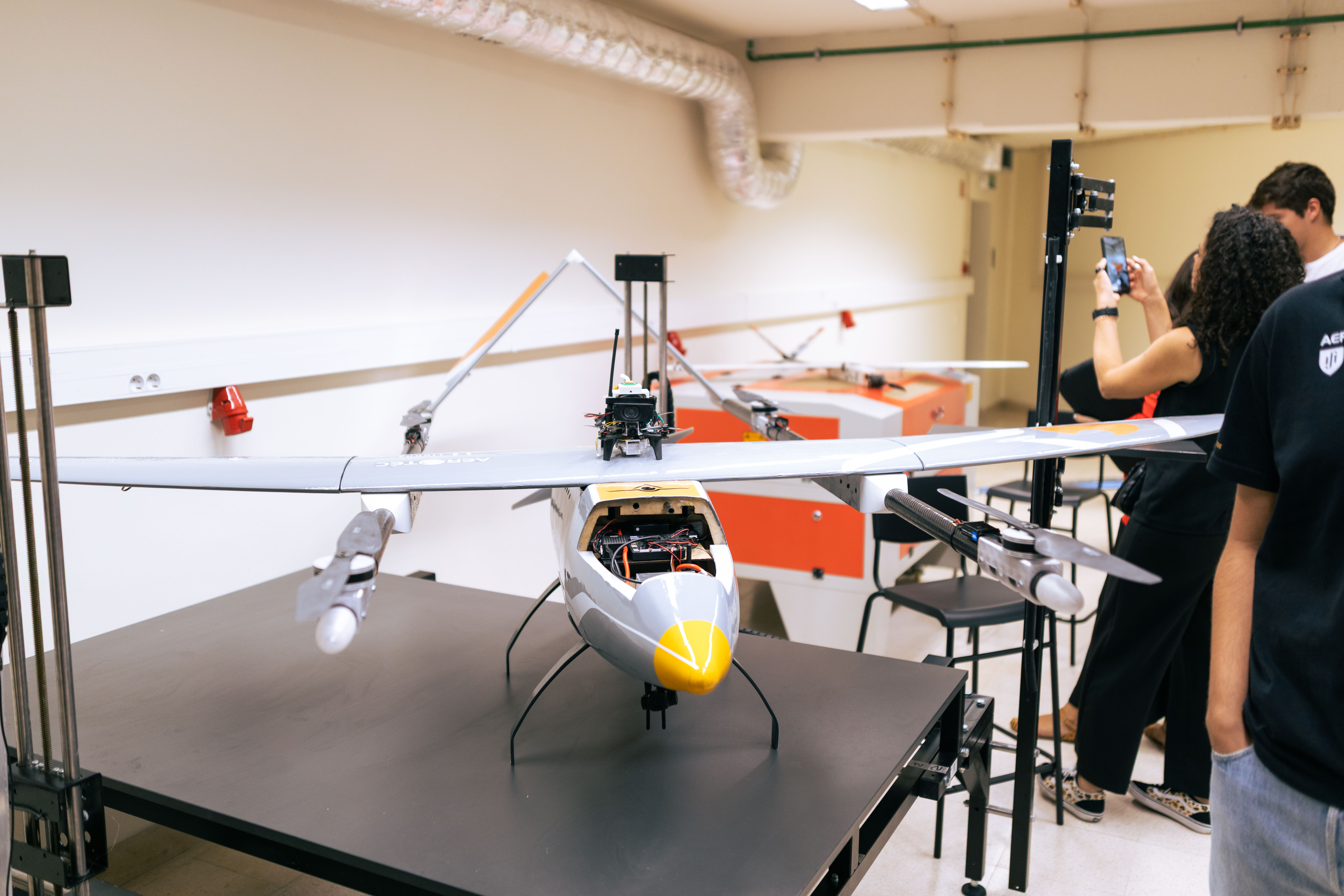
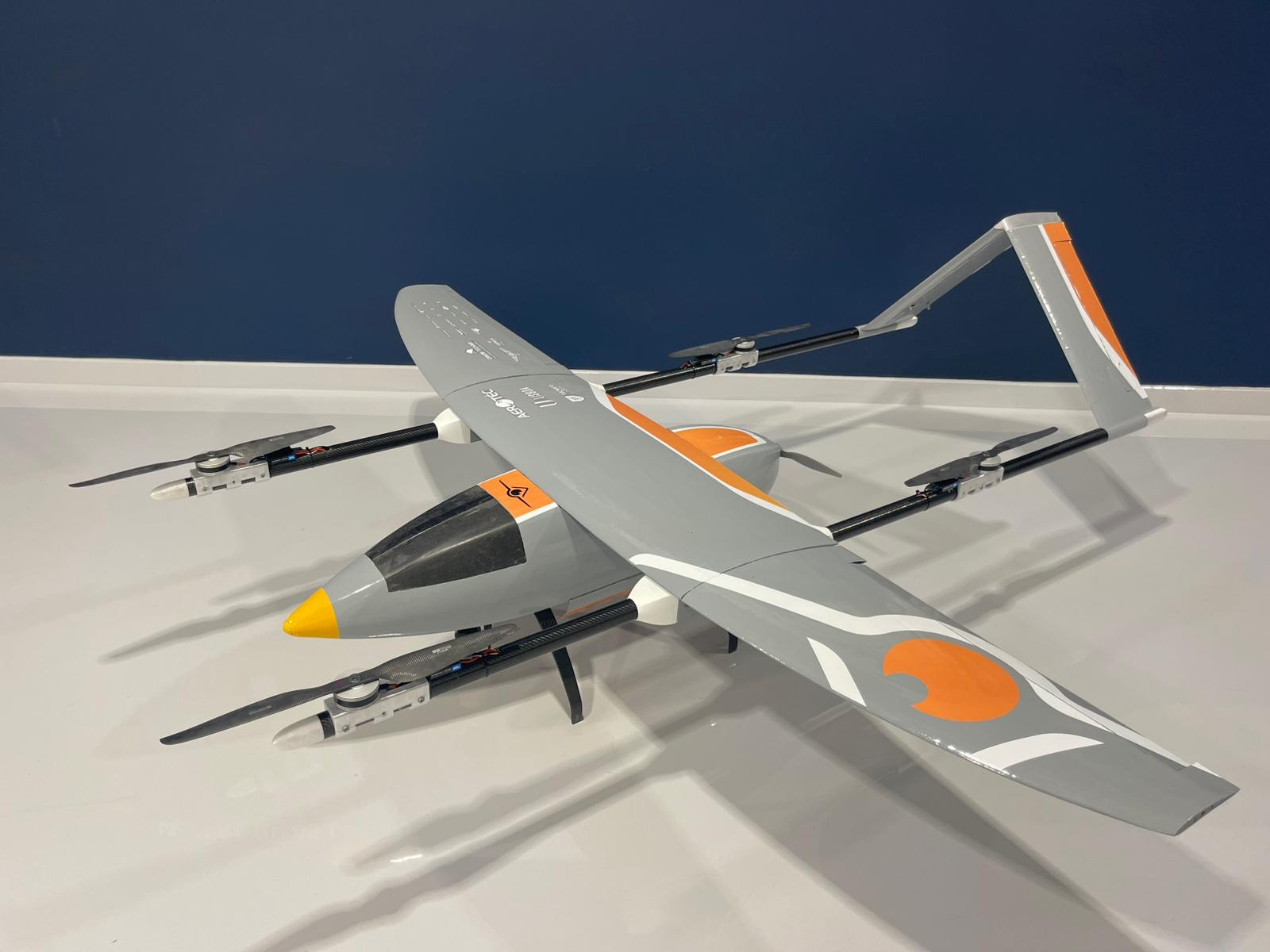
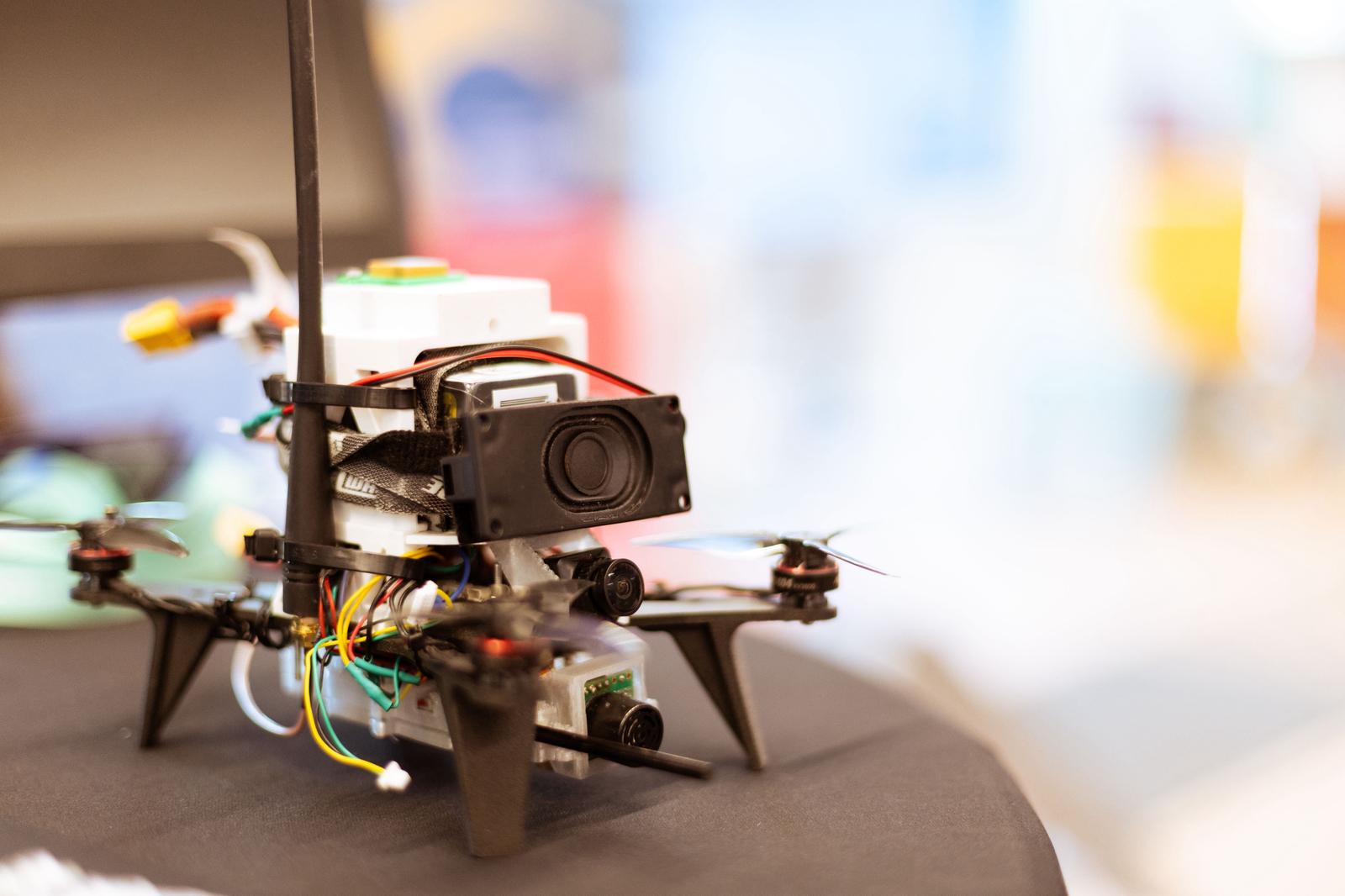
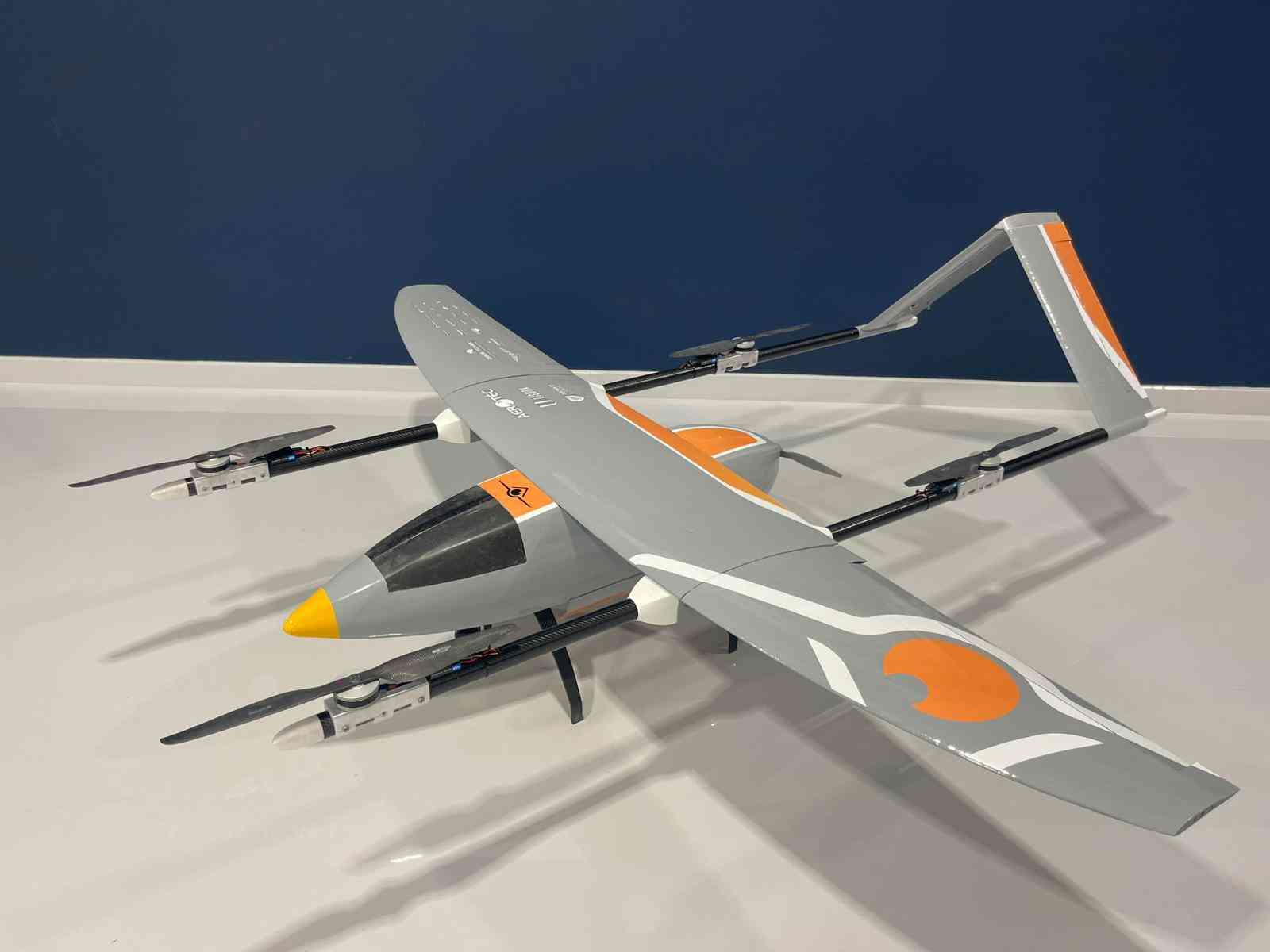
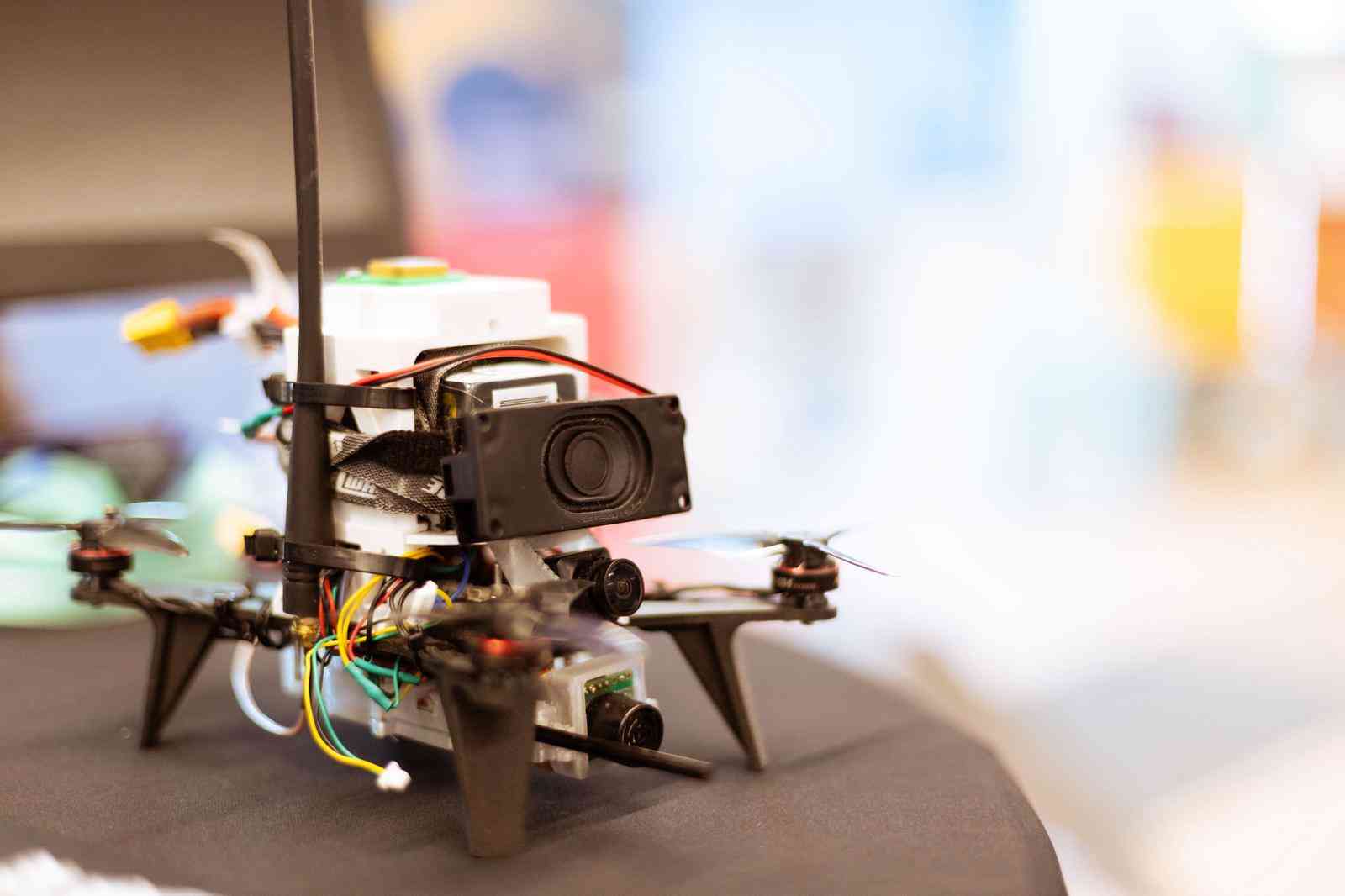
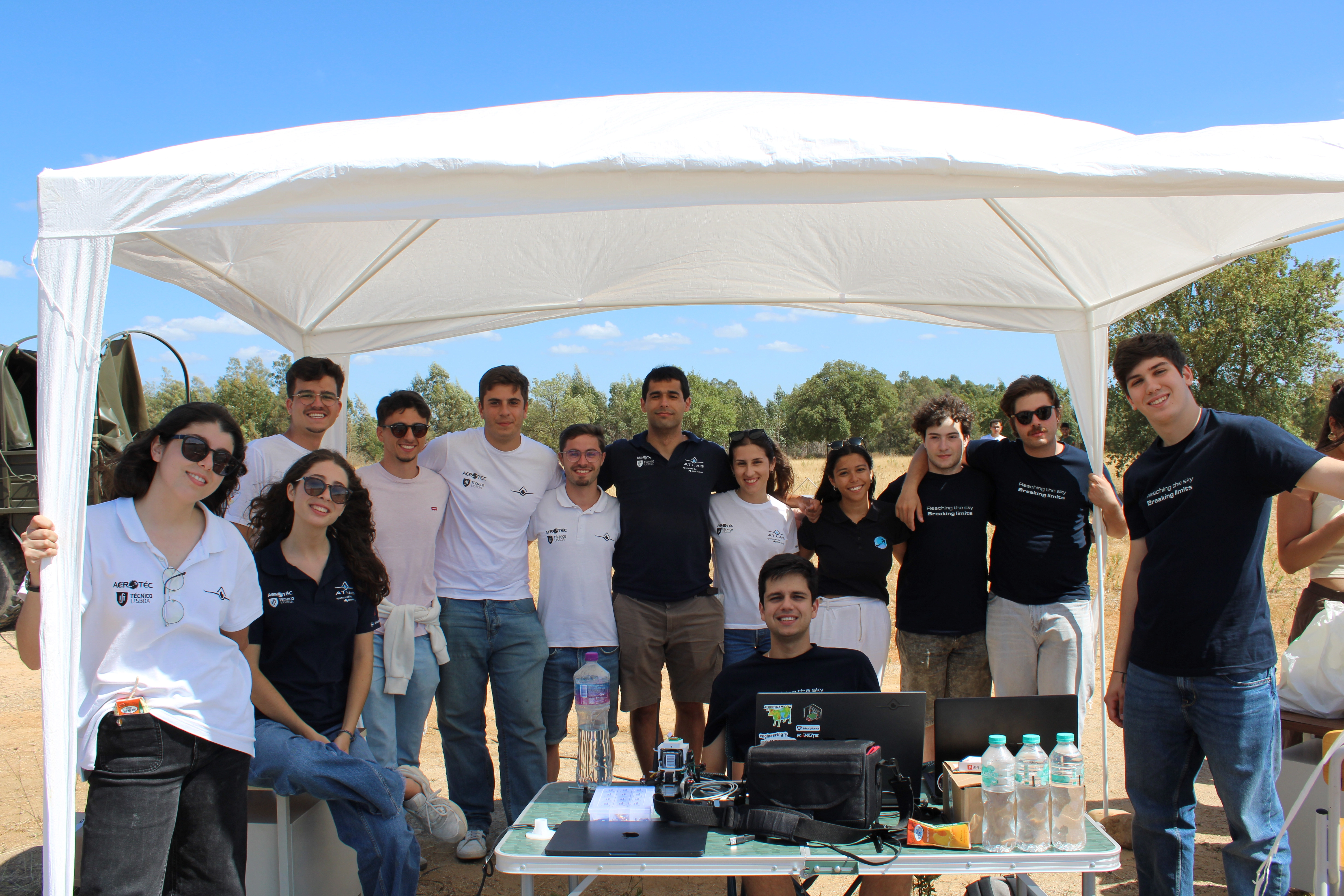
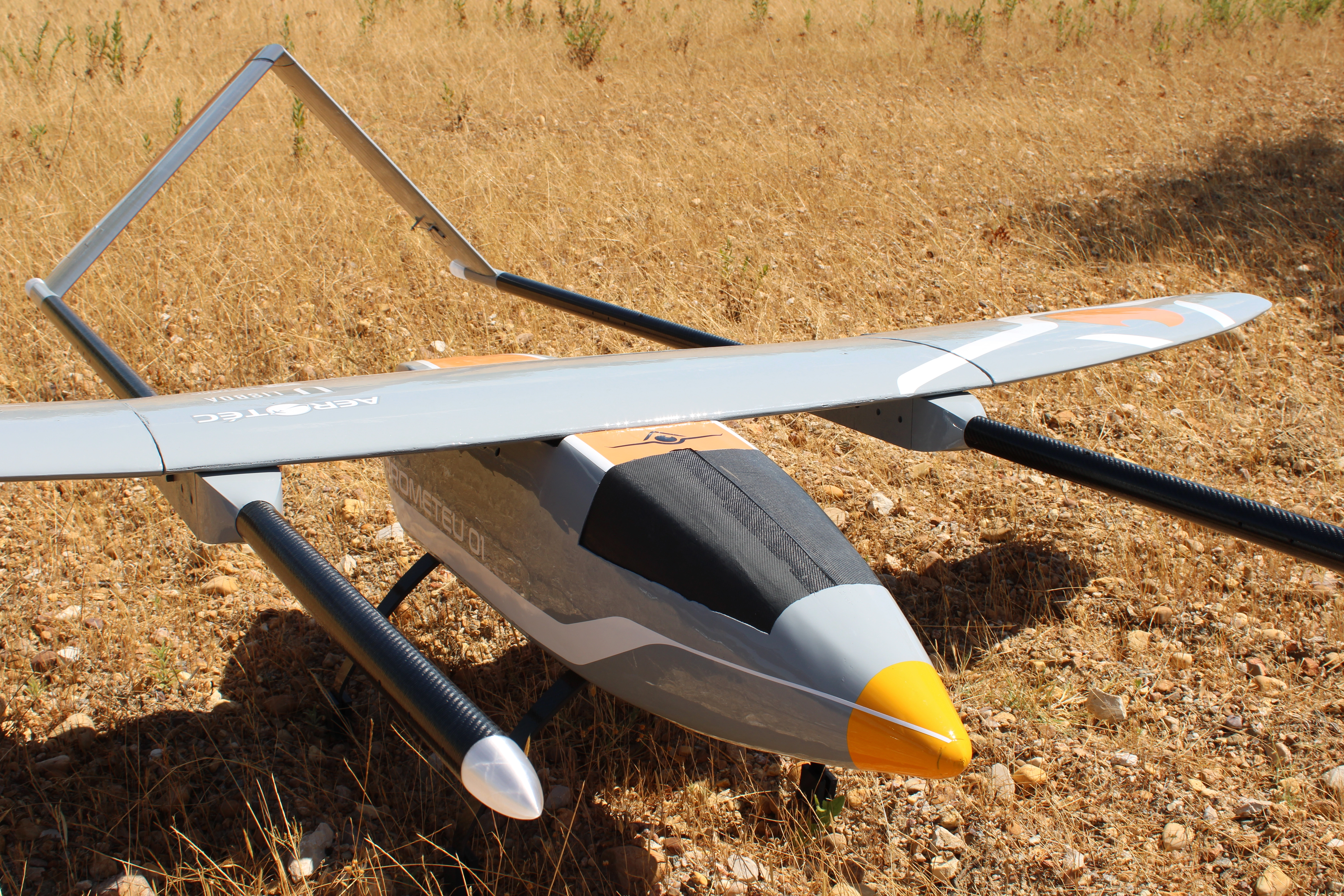
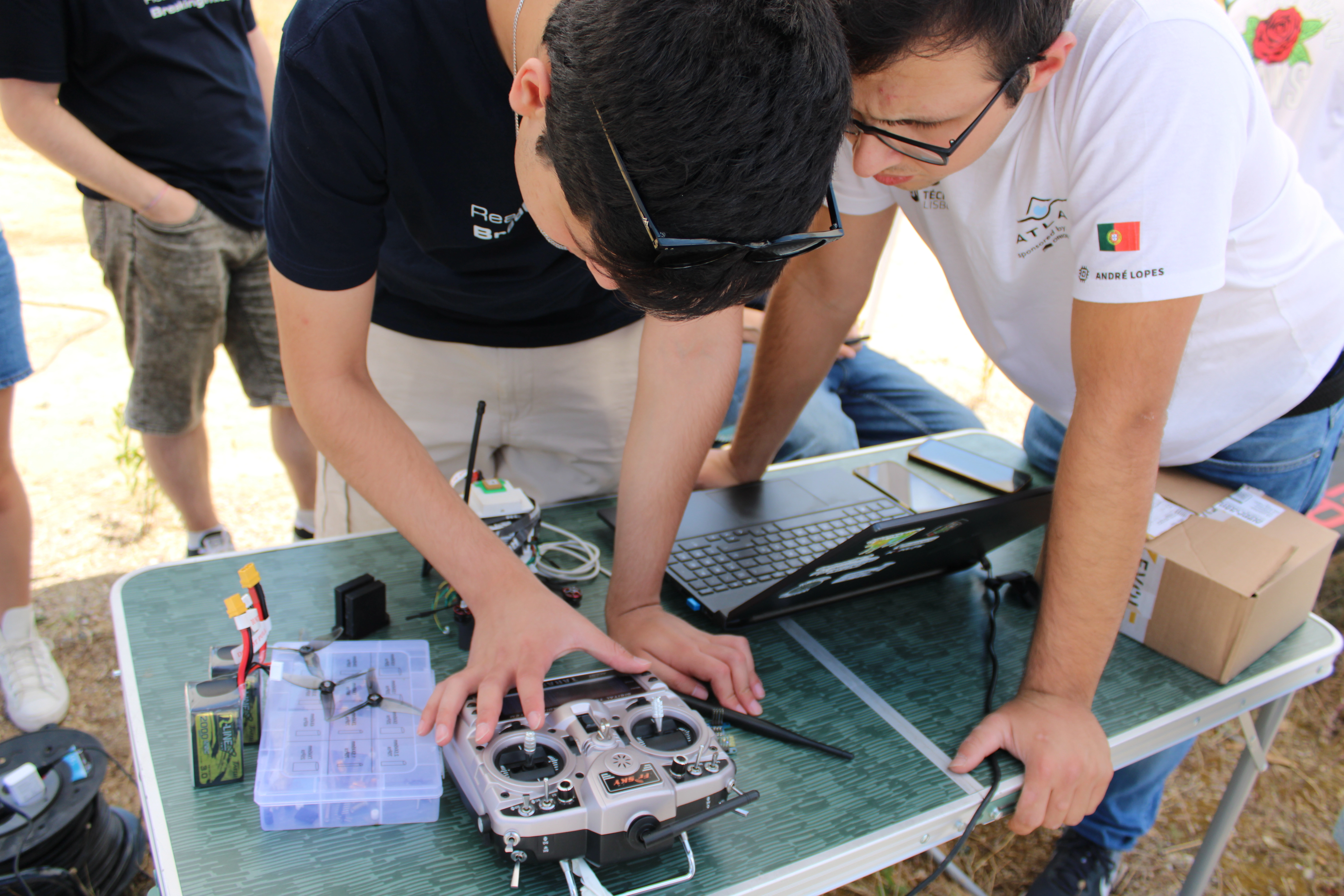
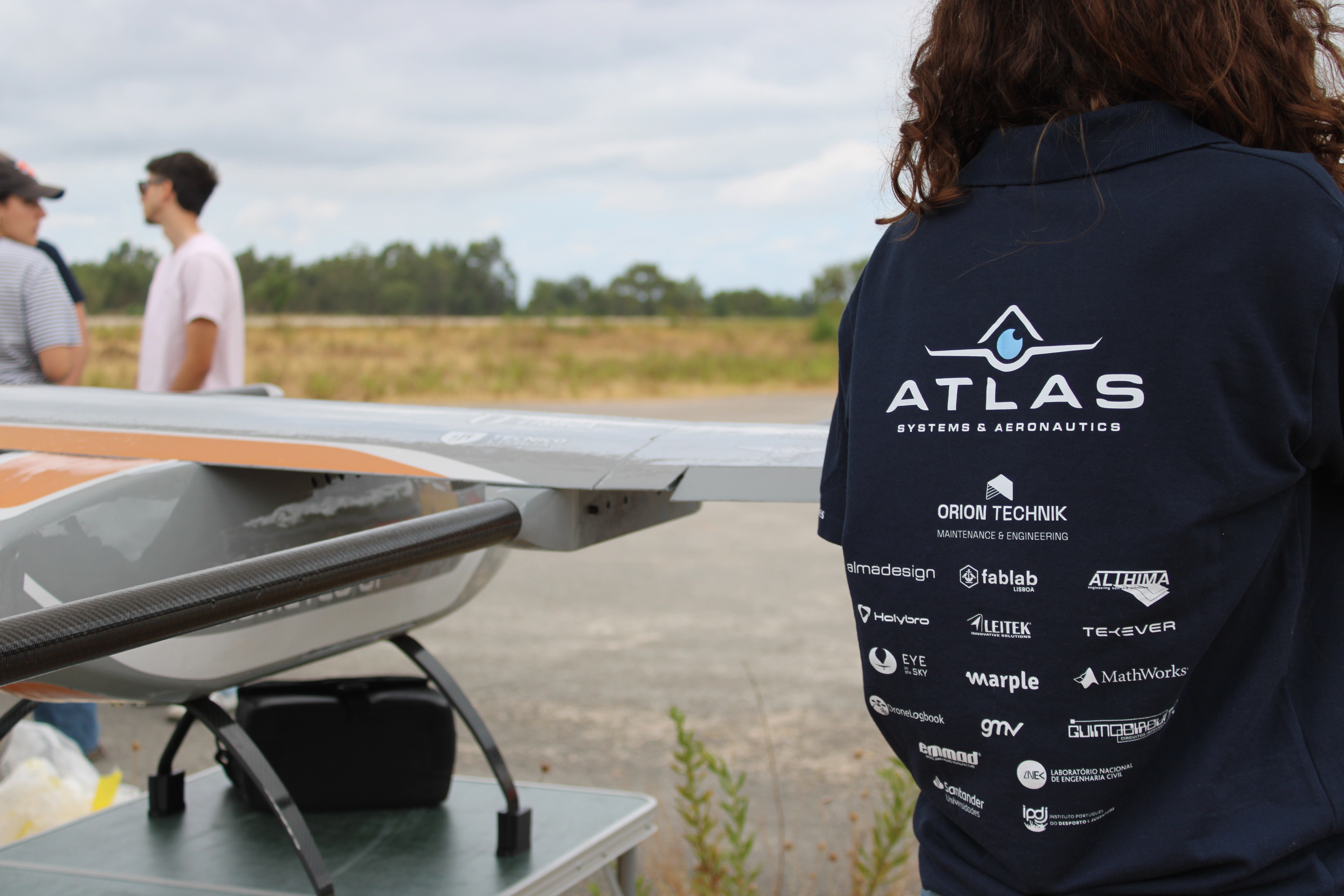
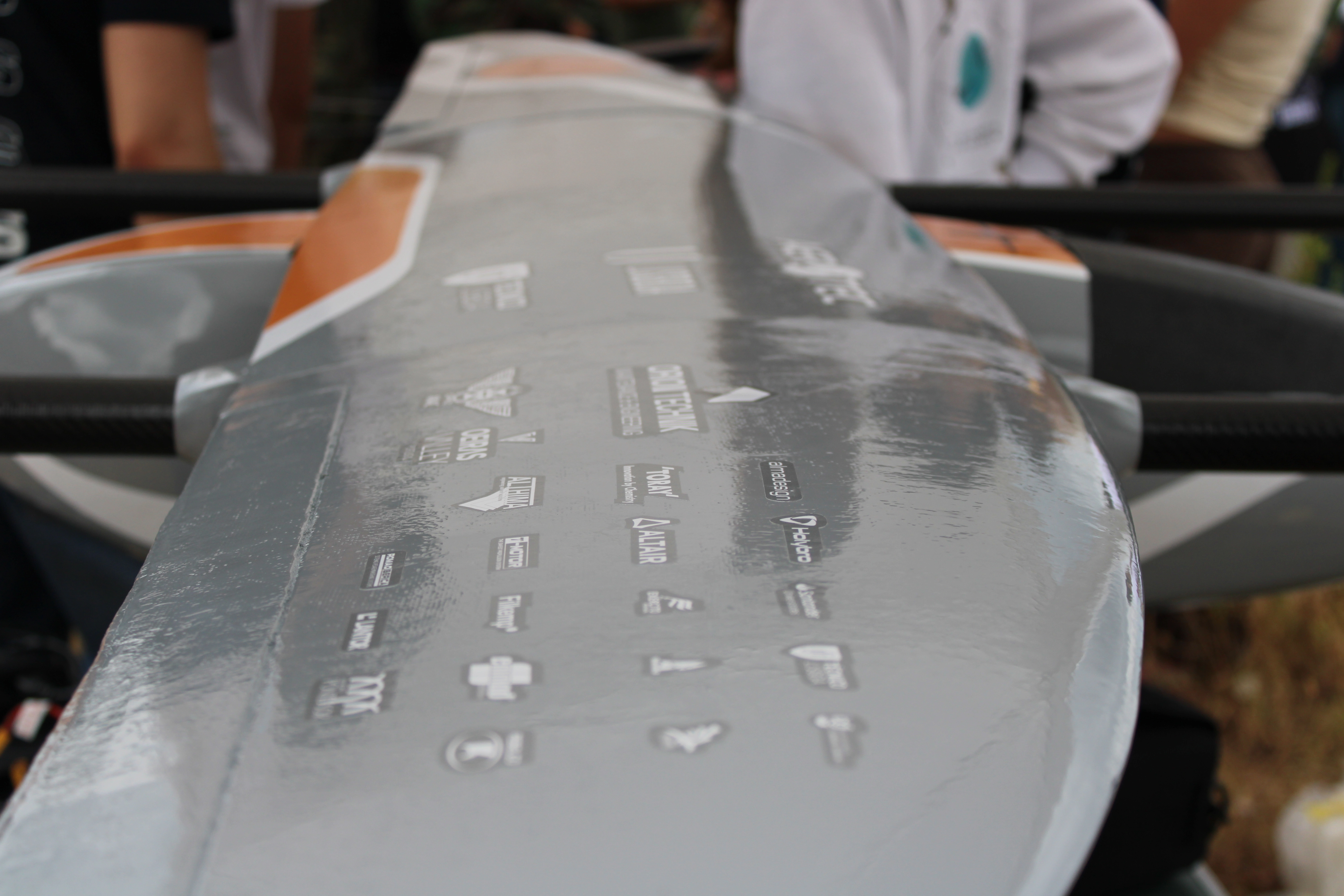
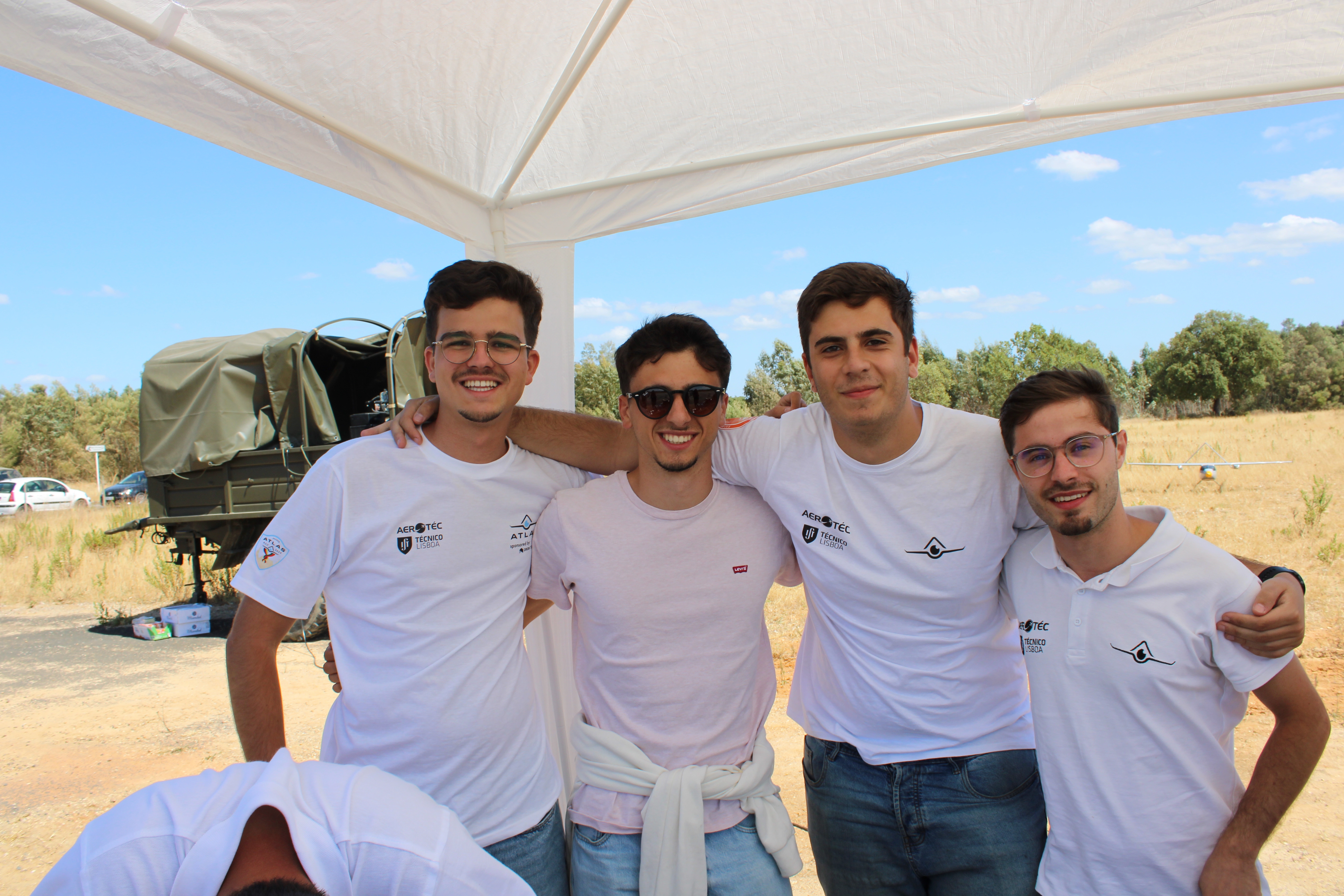
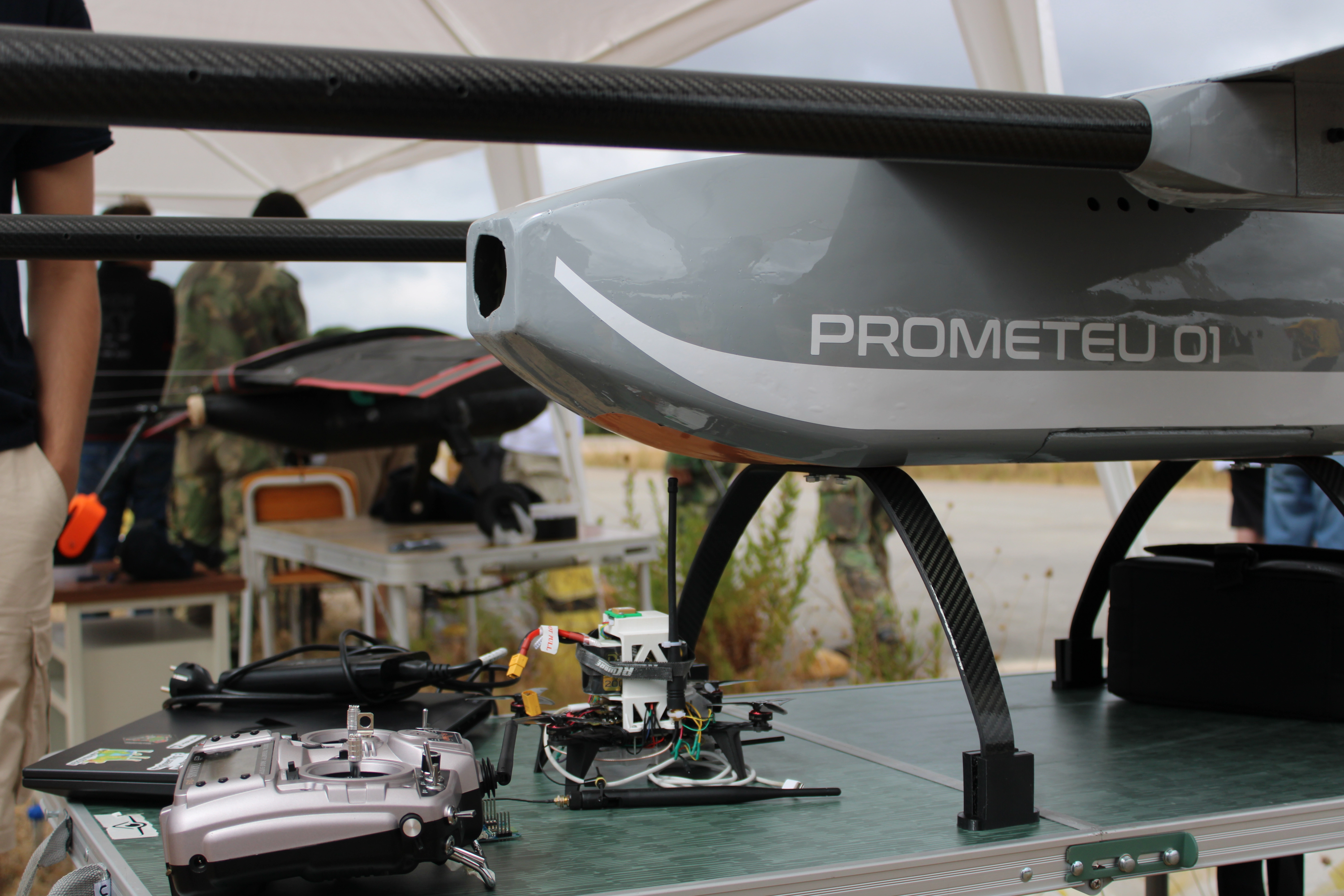
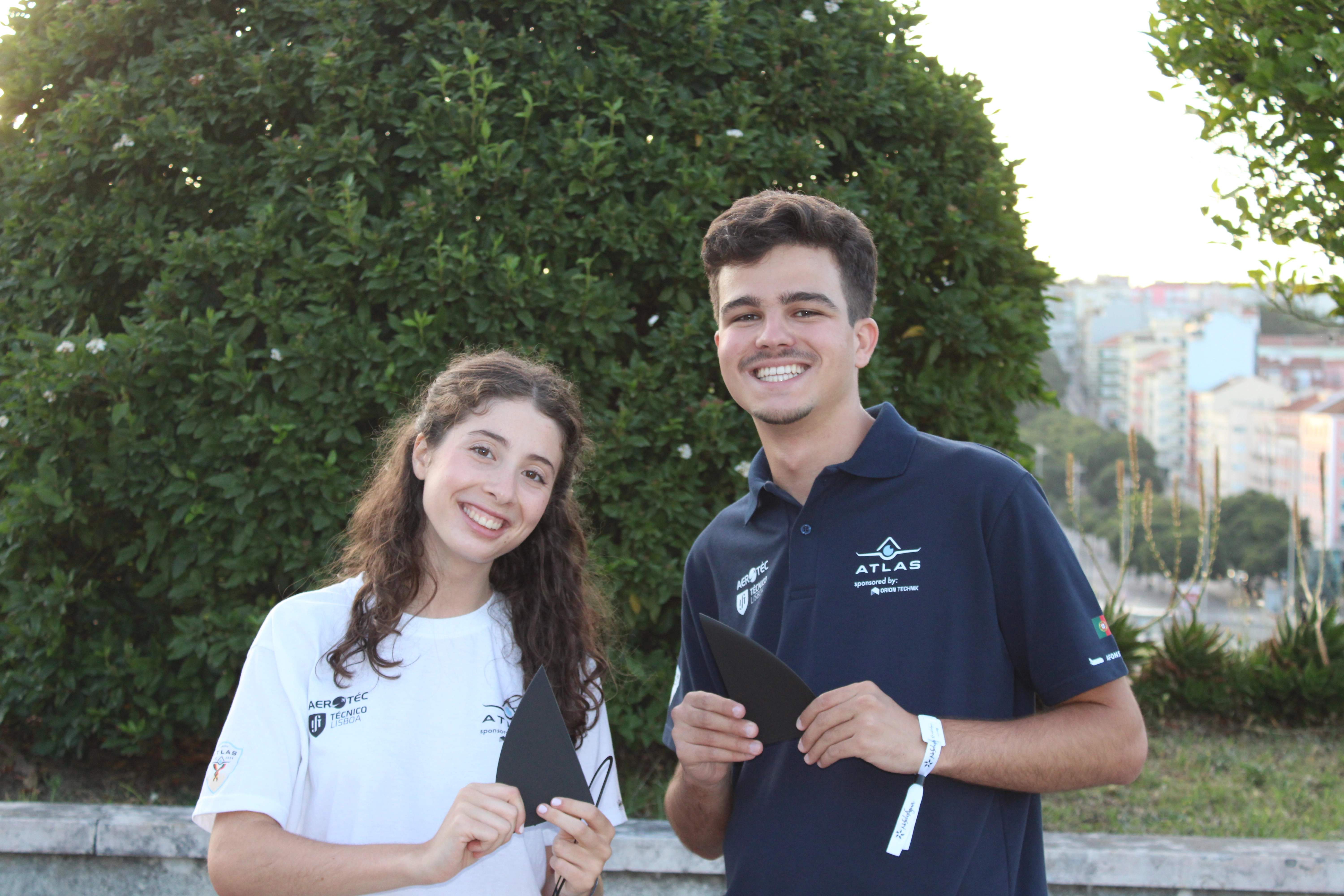
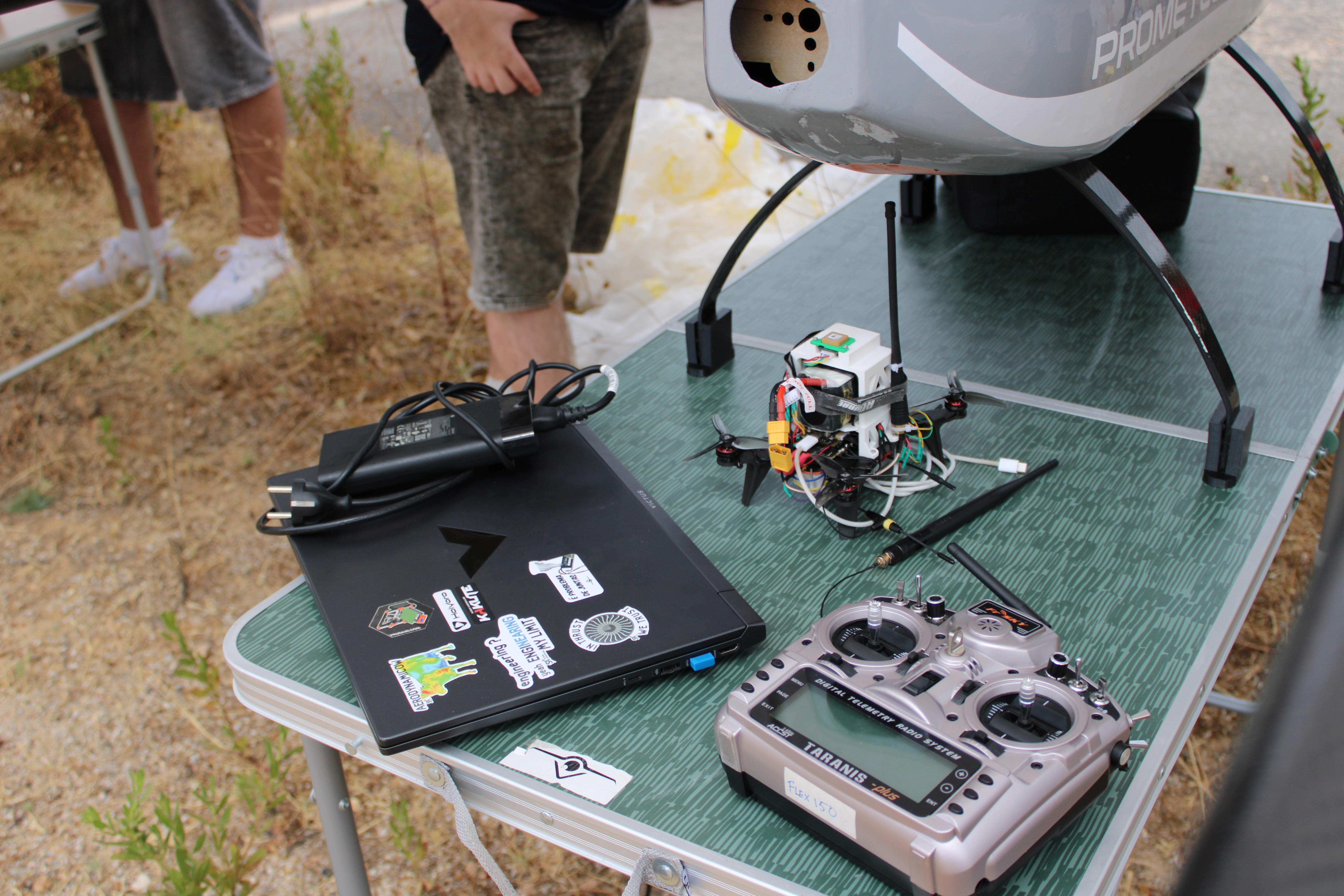
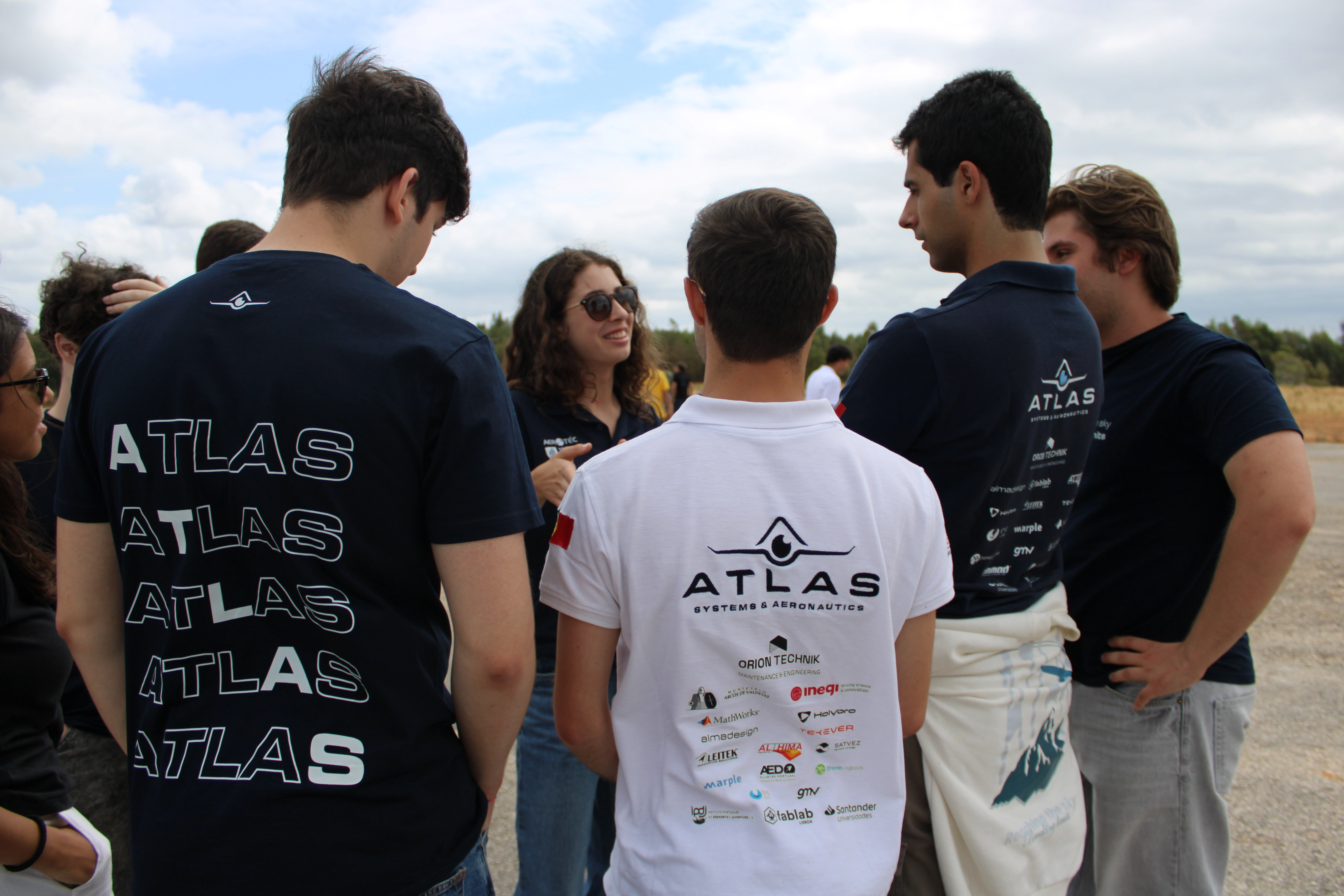
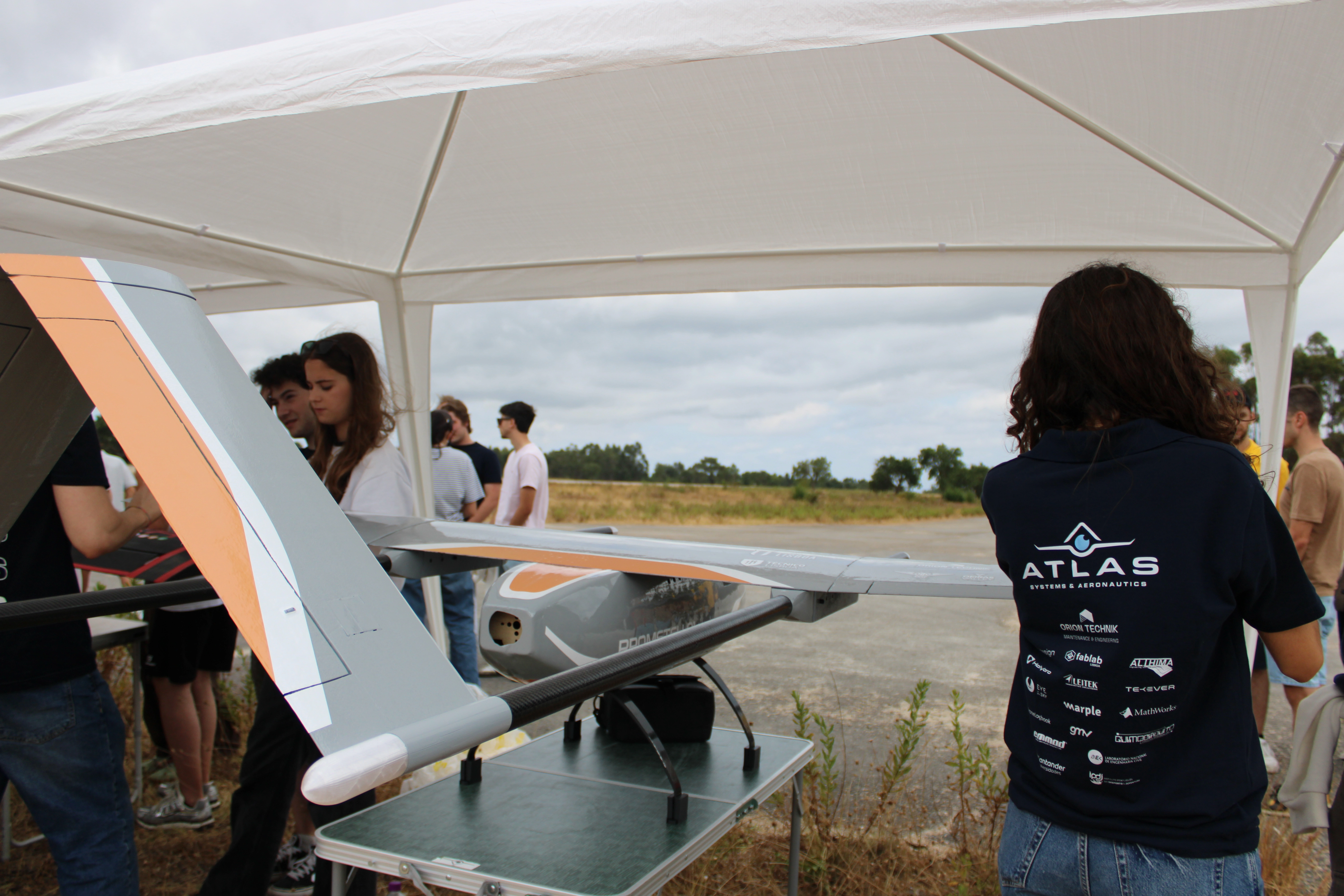
ATLAS participated in the first edition of AeroCup, in 2025, a Portuguese aeronautical competition designed for university students, challenging teams to design, build, and test an RC aircraft across a series of static and flight evaluations. Competing against other national university teams, ATLAS secured a remarkable second place in multiple categories, including Overall, Engineering Design, and Cost & Manufacturing — in both the Automatic and Manual Classes — marking a strong debut in this new competition and a proud milestone for the team.